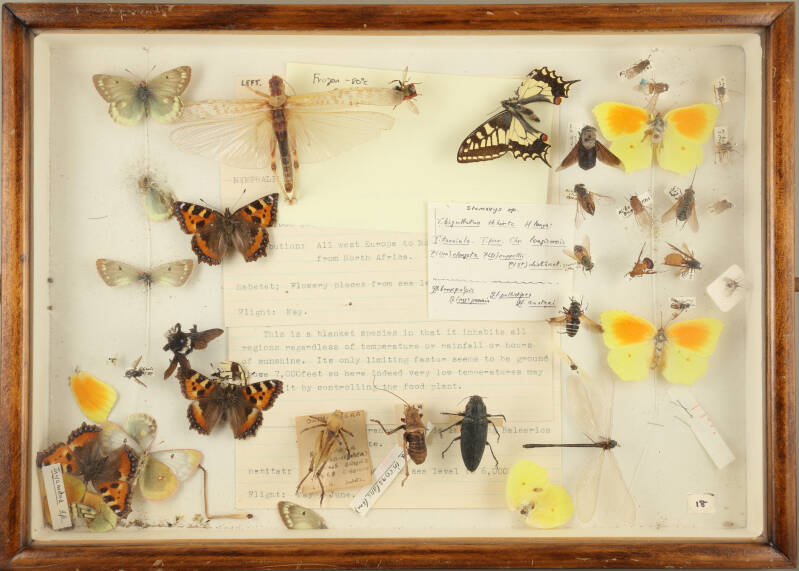
In an age of digital everything, there's something profoundly captivating about a physical collection of natural history. The image before us – a beautifully arranged entomological display – isn't just a box of insects; it's a meticulously crafted narrative, a frozen moment in time that speaks volumes about our planet's past and present.
The Art and Science of the Collection
Every taxidermist, every collector, has a unique style, a personal aesthetic that shines through in their display. Looking at this box, you can almost sense the hand that carefully positioned each specimen. The delicate balance, the thoughtful spacing, and the way the different species interact visually create an artistic presentation that goes beyond mere scientific classification.
But beneath the art lies a rich tapestry of scientific information. Each box tells a unique story. Consider the items themselves: some butterflies appear incredibly fragile, their wings translucent and delicate, while a robust beetle or a sturdier moth holds its form with enduring strength. This variety in preservation speaks to the inherent diversity of nature and the careful handling required to maintain these specimens.
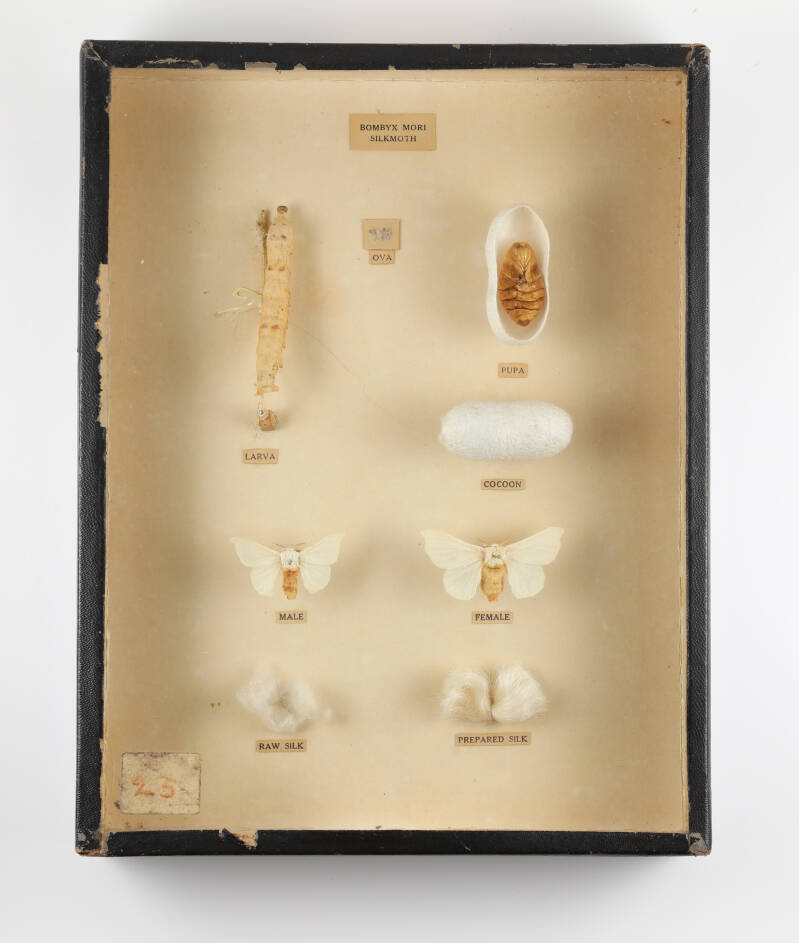
The handwritten notes, though faded with time, are invaluable. They offer clues about habitat, flight patterns, and geographical distribution. Each label, meticulously applied, connects the specimen to a specific time and place, allowing researchers to trace changes in species populations, migration patterns, and environmental health over decades, even centuries. These tangible records are critical for understanding biodiversity loss, climate change impacts, and the effectiveness of conservation efforts.
Preserving the Legacy: The Role of Photography
However, even the most carefully curated collection is vulnerable. Time, accidents, or natural disasters can lead to damage or loss. This is where the importance of high-quality photography becomes paramount. Imagine if this box were lost; without a detailed photographic record, a wealth of information would vanish forever.
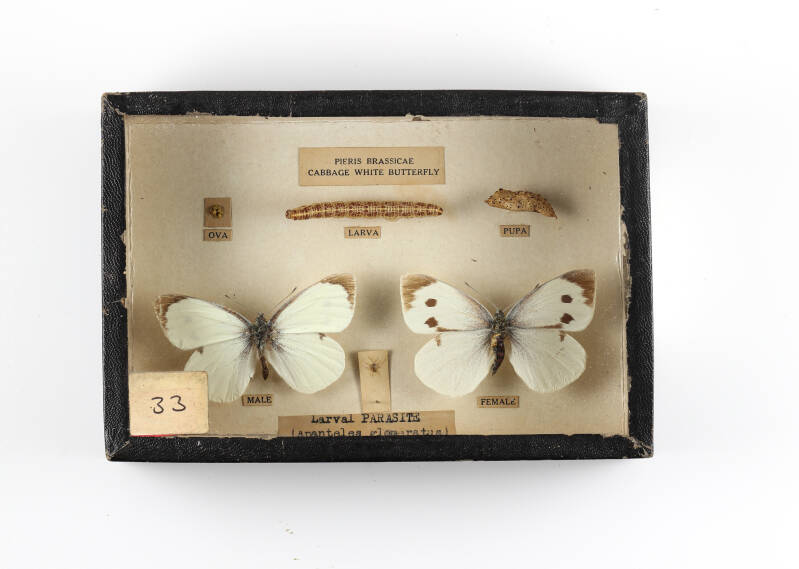
Photographing such a collection correctly is an art in itself. The aim is to capture every detail without introducing distracting elements. Notice in our reference image the effort to minimise reflections on the glass – a common challenge that can obscure vital details. Avoiding heavy shadows ensures that the true colors and intricate structures of each specimen are clearly visible. A well-executed photograph serves as a digital twin, preserving the integrity of the collection and making it accessible to a wider audience, regardless of geographical barriers.
Learning from the Past, Informing the Future
These collections are more than just dusty relics; they are living libraries. They allow us to compare species from different eras, observe evolutionary changes, and identify new species. They provide baselines against which we can measure current environmental shifts. By studying what was, we gain critical insights into what is and, more importantly, what could be.
So, the next time you encounter a nature collection, pause and appreciate it. It's not just an assembly of dead things; it's a profound connection to the natural world, a testament to human curiosity, and an indispensable tool for understanding and protecting life on Earth. It’s a silent conversation between past and present, offering lessons we desperately need for the future.

Add comment
Comments