Welcome! If you've ever felt frustrated chasing fleeting moments in the wild or struggling to capture the awe-inspiring detail of the natural world, you’ve come to the right place. My decades in documentary photography and the last twenty-five years dedicated to education have led me to one profound truth: the most dramatic natural history images are often made, not found.
This blog is your guide to mastering the art of controlled natural history photography—bringing the field into the frame of your studio.
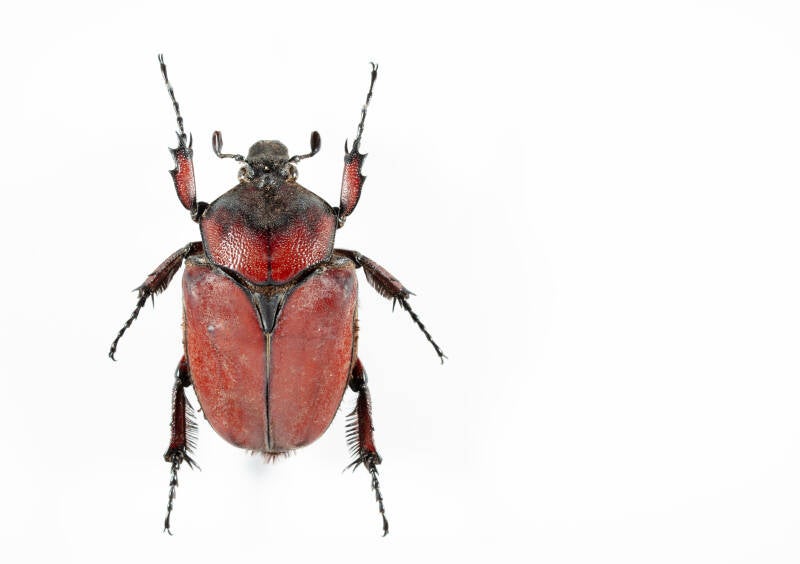
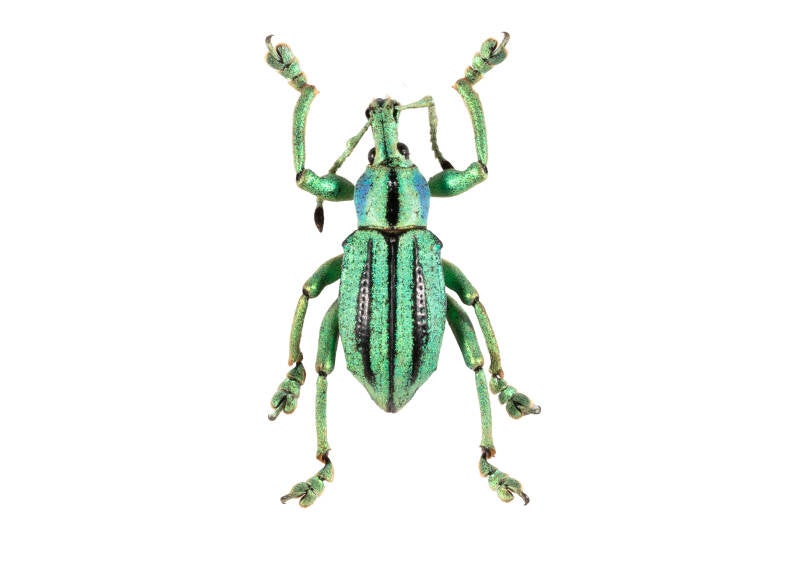
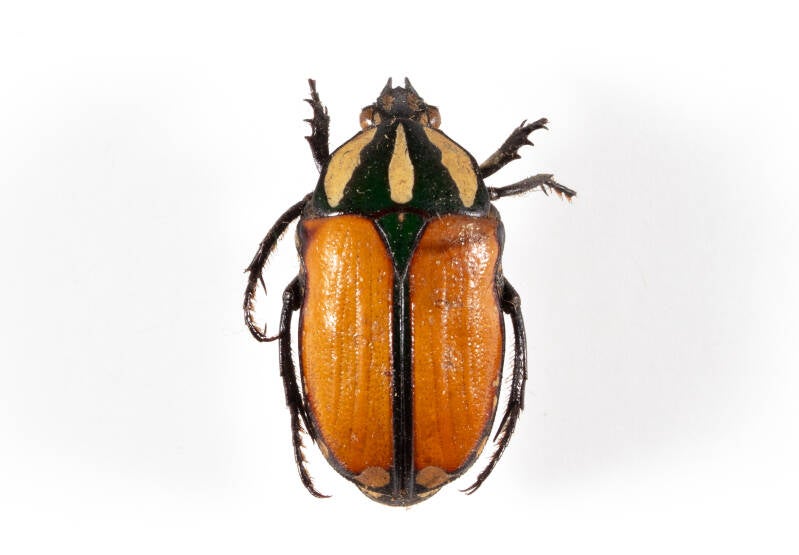
The Power of Total Control
Imagine having the ability to create the exact mood you want, free from the randomness of weather, light, or location. That is the power of the studio environment.
When you work with a small specimen—whether it’s an intricate beetle from my collection or a botanical sample you picked up on your last walk—you gain control over every element:
-
Light and Shadow: Unlike the unpredictable field, the studio allows you to sculpt light. You can use small flash heads to create intense drama, highlighting textures and structures in ways the sun never could.
-
Composition: You control the background, the context, and the framing. This allows you to eliminate distractions and focus solely on the narrative you want to tell, transforming a tiny subject into a monumental portrait.
-
Time: One of the greatest advantages is the luxury of time. You can walk away from the subject and know you can come back to it at anytime. This is crucial for complex setups like focus stacking or fine-tuning subtle lighting cues.
The Myth of the Grand Studio
Forget the image of a vast, white warehouse! Your controlled environment doesn't need to be grand; it can be as simple as a tabletop event set up in the corner of your own home.
My work often proves that precision beats size. We'll explore setups that allow you to create stunning images without the need to travel any distance. All you need is intention, some small lighting units, and a subject.
Choosing Your Lens, Choosing Your Story
The studio gives you the power to choose the viewer’s perspective:
-
Macro Lens: Use a macro lens to capture fine small detail, diving deep into the microscopic textures of an insect wing or a petal. This is the intimate, scientific view.
-
Short Telephoto Lens: By stepping back slightly and using a short telephoto lens, you can capture more detailacross a wider plane, isolating the subject while giving it necessary context and scale.
Whether working with static items from your collection or even live subjects that you can gently guide, the studio allows you to control the variables that matter most.
Join me as we explore the technical craft of using studio light and the vast creativity of natural history, proving that the simple answers to photographic mastery are within reach, right in your own home.
Add comment
Comments