Why You Should Swap the Sofa for Wellies This Christmas
The Christmas dinner plates are cleared. The wrapping paper is (mostly) in the bin. There is a collective lull in the house, a heaviness that comes from too much pudding and the warm hum of the central heating. It is tempting to sink into the sofa and let the television take over for the afternoon.
But I have a better idea.
It is never too late to start a new tradition. Grab your coats, put on those wellington boots, and step outside. Whether you are a parent or a grandparent, taking the children out into the crisp winter air to explore natural history is one of the most rewarding gifts you can give them—and yourself.
The Winter Treasure Hunt: What to Find in the UK Right Now
We often think of nature sleeping during the British winter, but if you look closely, the world is teeming with life. In fact, winter is the perfect time for a "Micro-Safari." Without the dense summer foliage, the forest floor reveals secrets that are usually hidden.
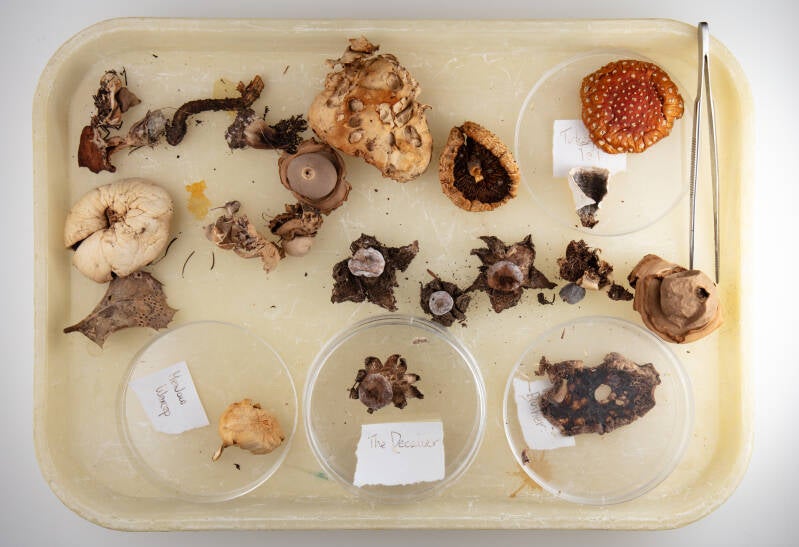
Looking at the photos from my latest walk, here is what you might find if you head out this week:
1. The Fungal Kingdom As you can see from my collection tray, damp UK winters are a playground for fungi. They are fascinating to children because they come in such alien shapes and textures.
- Earthstars & Puffballs: Keep an eye out for Earthstars (which look like little stars fallen to earth) and Puffballs. Children love these—if you find a mature one, a gentle tap releases a cloud of "smoke" (spores). It’s like natural magic.
- Turkey Tail: Look on rotting logs for these beautiful, fan-shaped brackets with multicolored zones. They are incredibly common and tough enough for small hands to investigate.
- The Fairytale Find: If you are lucky, you might spot the Fly Agaric (Amanita muscaria)—the classic red toadstool with white spots. While we must teach children never to eat wild mushrooms, finding one feels like stumbling into a storybook.
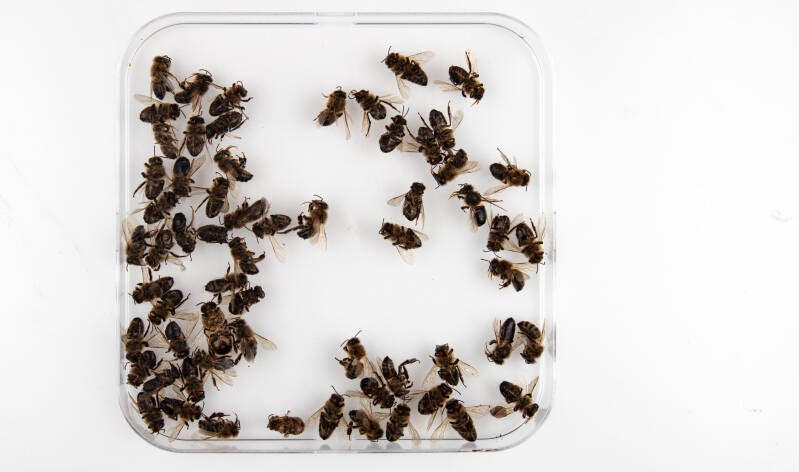
2. Sleeping Insects While we don't see as many buzzing insects in December, looking for evidence of them is a great detective game. You might find solitary bees sheltering in hollow stems or beetles hiding under loose bark. It teaches children that life persists, even in the cold.
The Magic of the Spore Print
Bringing your finds home extends the adventure. One of the best science experiments you can do right on your kitchen table is making a spore print.
In the photo above, you can see a spore print I made using a mushroom cap on red paper.
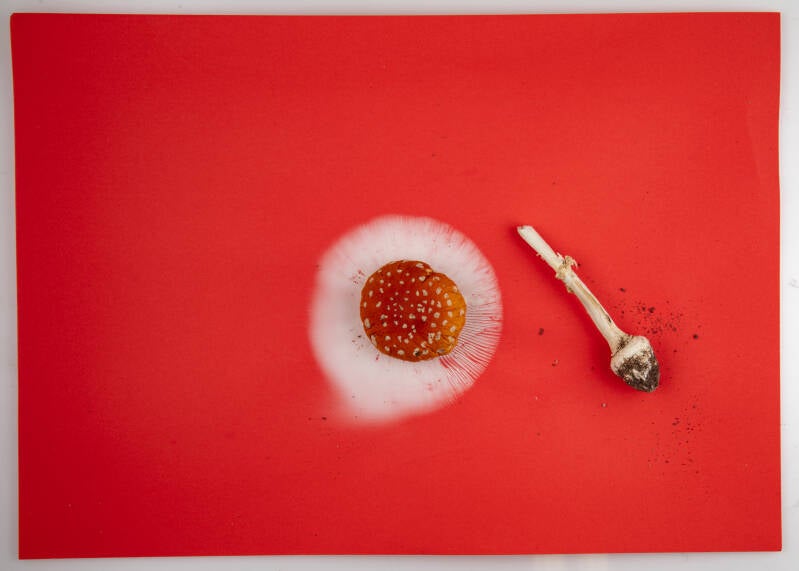
- How to do it: Simply carefully remove the stem of a fresh mushroom, place the cap gills-down on a piece of paper (dark paper works best for light spores), cover it with a bowl to stop drafts, and leave it overnight.
- The Result: When the kids lift the bowl in the morning, they will find a perfect, ghostly imprint of the mushroom left behind by the falling spores. It is a moment of pure awe that costs nothing but patience.
Building an Unbreakable Bond
The true value of this isn't just in the biology; it is in the connection.
When you explore nature with a child, the hierarchy shifts. You aren't just the adult telling them what to do; you are fellow explorers. You are both kneeling in the mud, looking at a weird bug or a strange piece of moss.
- You teach them patience: Nature doesn't rush. You have to slow down to see the small things.
- You teach them respect: Collecting is about curation, not destruction. We learn to take only what we need and leave the rest for the forest.
- You create a "Shared World": Years from now, they won't remember the specific toy they got for Christmas 2024. But they will remember the time Granddad poked a puffball and it exploded into dust, or the time Mum found a mushroom that looked like a star.
It’s Never Too Late
If you think your children are too old, or that you don't know enough about nature yourself—don't worry. Nature is the great equalizer. You don't need to know the Latin names. You just need to be curious.
So, this Christmas, after the last mince pie is eaten, make the choice to disconnect from the screens and reconnect with the earth. Start a small collection. A feather, a pinecone, a spore print. These small objects become anchors for memories that will hold you together long after the holidays are over.
Go find nature. It’s waiting for you
Add comment
Comments